
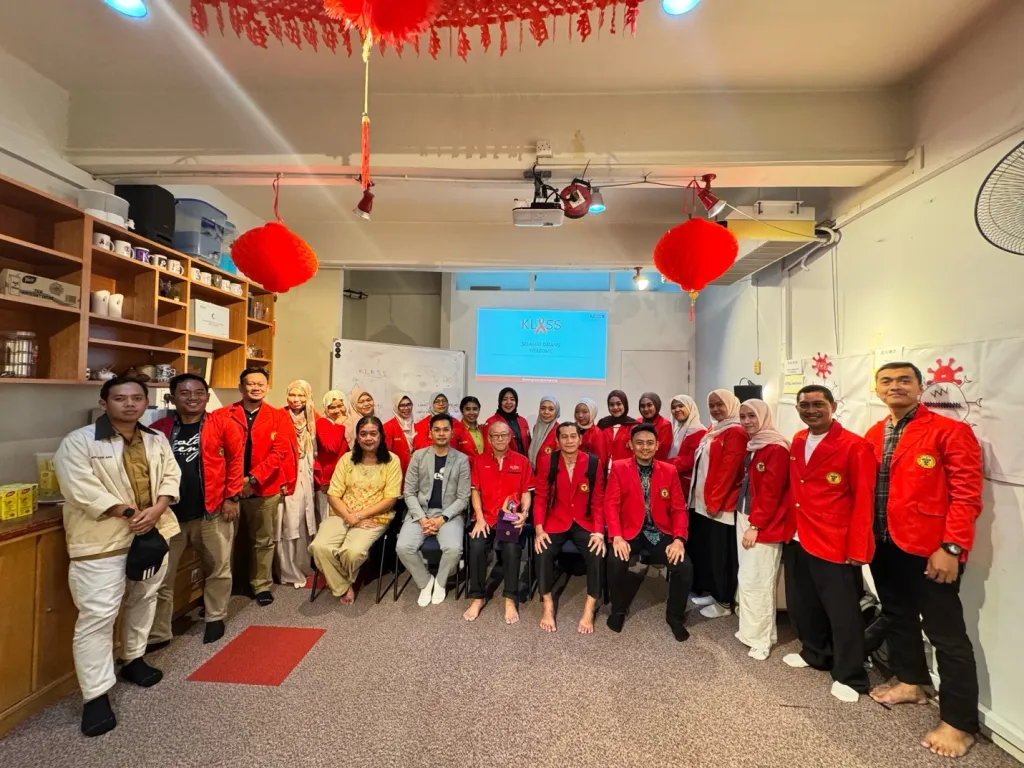
KUALA LUMPUR – The Master’s Program in Health Policy and Administration (AKK), Faculty of Public Health (FKM), Hasanuddin University (Unhas), has once again demonstrated its commitment to producing graduates with global perspectives. Nineteen graduate students, accompanied by a delegation of expert lecturers, conducted an international benchmarking visit to The Kuala Lumpur AIDS Support Services Society (KLASS) in Malaysia in late March 2026.
This strategic initiative is more than a standard academic trip; it is a concrete effort to bridge the gap between health administration theory taught in the classroom and the complex realities of managing public health issues on a global stage.
Breaking Classroom Boundaries for Global Experience
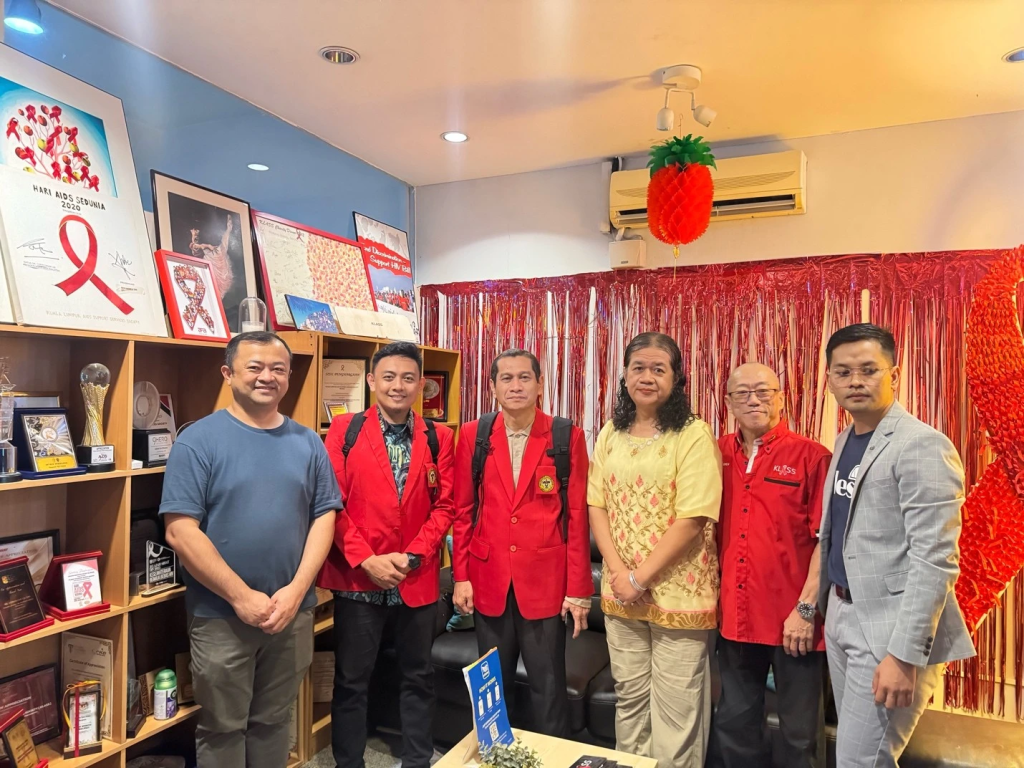
The FKM Unhas delegation was accompanied by three senior academics: Prof. Dr. Amran Razak, M.Sc., Dr. Yusran Amir, SKM., M.PH., and Ryryn Suryaman Prana Putra, SKM., M.Kes. The presence of these experts underscores the importance of collaboration between academia and international practitioners in formulating effective health policies.
The activity was also facilitated by Dr. Jufri Hidayat, a lecturer from the University of Malaya, who opened doors for students to interact directly with leading international community organizations. Through this collaboration, students did not only gain secondary data but also experienced the dynamics of health advocacy at an international level.
Learning from KLASS: Pioneers in Community-Based HIV Mitigation
The primary focus of this visit was to study the operational model of KLASS, a civil society organization established in 2001. KLASS is widely recognized in Southeast Asia for its success in filling the gaps in healthcare services that often remain unreached by formal government systems.
The President of KLASS, Mr. Andrew Tan Tze Tho, explained during his presentation that the key to successful HIV/AIDS management lies in four main pillars: prevention, treatment, education, and psychosocial support. Students were invited to observe how KLASS provides support for People Living with HIV (PLHIV) using a humanizing and inclusive approach.
“The model we apply here prioritizes a human rights-based approach. We do not just treat the virus; we protect the dignity of the individual,” Andrew stated before the students.
Integrating Biomedical Science and Public Policy
One of the most engaging sessions for the students was the discussion on the biological mechanisms of the HIV virus attacking CD4 cells, which was subsequently linked to policies regarding the procurement of Antiretroviral (ARV) drugs. The Master’s students were encouraged to think critically about how clinical aspects must serve as the foundation for responsive public policy.
The interactive discussion provided a space for students to dissect social challenges such as stigma and discrimination, which remain significant barriers to HIV/AIDS mitigation in both Malaysia and Indonesia. This understanding is vital for future health administrators to design programs that are not only technically sound but also sensitive to the socio-cultural context of the community.
Relevance to Sustainable Development Goals (SDGs)
This international visit is closely aligned with the global Sustainable Development Goals (SDGs) agenda. Specifically, this activity supports SDG Target 3.3, which aims to end the epidemics of AIDS, tuberculosis, malaria, and neglected tropical diseases by 2030.
Furthermore, through collaboration with KLASS and the University of Malaya, FKM Unhas actively contributes to SDG Target 17: Partnerships for the Goals. This cross-border knowledge exchange proves that global health challenges cannot be solved by one country alone. International cooperation, technology transfer, and sharing best practices are essential to creating a more resilient global health system.
This effort also reflects Unhas’s commitment to SDG Target 4 regarding Quality Education by providing transformative off-campus learning experiences, ensuring students are ready to face the challenges of the international workforce.
Strengthening KPI and Unhas Internationalization
From an institutional perspective, this benchmarking activity directly impacts the achievement of Hasanuddin University’s Key Performance Indicators (KPI/IKU), particularly in increasing off-campus student experiences and strengthening international networks.
Internationalization is no longer just a trend but a necessity for FKM Unhas to remain relevant. By sending students to institutions like KLASS, FKM Unhas ensures that its curriculum aligns with the latest international developments. This also solidifies Unhas’s position as one of the leading universities in Indonesia actively driving innovation in public health.
Hope for the Future of Indonesian Healthcare
Upon returning from Kuala Lumpur, students are expected to bring fresh perspectives to the national healthcare system. The community empowerment model implemented by KLASS can serve as a reference for Indonesia to strengthen the role of community-based organizations in supporting government programs.
This experience serves as a reminder that health policies with a broad impact must be built on robust data, high empathy, and inclusive collaboration. FKM Unhas Master’s students now possess more than just theory; they have a global vision to build a healthier Indonesia.
The event concluded with a group photo and an exchange of mementos, marking the beginning of a new chapter of collaboration between FKM Unhas and the healthcare community in Malaysia. The spirit of “From Classroom to Global Field” is expected to continue inspiring future generations to explore knowledge across borders.