
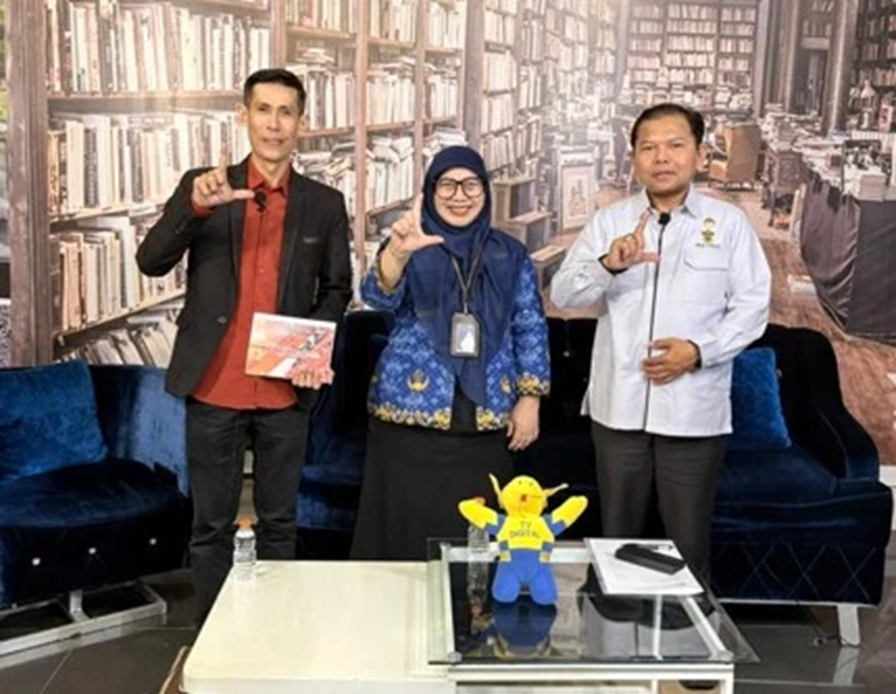
Indonesia has officially entered the era of an aging population, a demographic shift characterized by a continuous increase in the proportion of elderly citizens. Addressing this phenomenon, Prof. Sukri Palutturi, the Dean of the Faculty of Public Health at Hasanuddin University (FKM Unhas), emphasized that the nation’s primary challenge is not merely increasing life expectancy, but ensuring that seniors live healthy, independent, and dignified lives.
The SMART Senior Concept and Healthy Ageing
During a talk show at Fajar TV on December 22, 2025, Prof. Sukri introduced the SMART Senior concept as a vital framework for the future. At its core is the principle of healthy ageing, which views growing older not as a phase of total dependency, but as a period of continued vitality. According to this vision, seniors should be active subjects of development who are:
Healthy: Maintaining physical and mental well-being.
Independent: Capable of performing daily activities without total reliance on others.
Socially Active: Remaining engaged with their communities.
Adaptive: Capable of adjusting to technological advancements.
Community-Based Ecosystems
To translate this vision into reality, Prof. Sukri advocates for a robust community-based support ecosystem. Primary healthcare services, such as Puskesmas (community health centers) and local health volunteers, must work alongside families to create a sustainable environment for the elderly. Furthermore, he highlighted the strategic role of universities in ensuring that academic concepts are transformed into evidence-based programs that can be integrated into government policies, such as those managed by BKKBN.
Future Outlook
The success of managing an aging population depends on how quickly knowledge, policy, and practice can align. By prioritizing community-based empowerment and the SMART concept, Indonesia can ensure that a longer life also means a higher quality of life.