
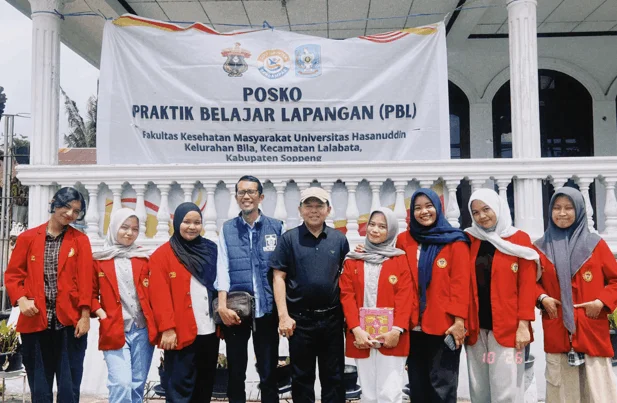
SOPPENG – In a dedicated effort to ensure the excellence of field-based education, the Dean of the Faculty of Public Health, Hasanuddin University (FKM Unhas), Prof. Sukri Palutturi, S.KM., M.Kes., M.ScPH., Ph.D., conducted an official working visit to the Student Community Outreach (PBL II) locations in Soppeng Regency, South Sulawesi. This visit underscores the faculty’s commitment to ensuring that students gain authentic learning experiences while providing tangible contributions to local public health.
Academic Commitment to Community Empowerment
This year’s PBL II program involves approximately 260 students strategically distributed across 36 command posts in eight districts throughout Soppeng. During his visit, Prof. Sukri Palutturi did not only inspect the facilities of these posts but also engaged in intensive dialogues with students and community leaders. The Dean emphasized that the students’ presence in the community is far more than a mere academic requirement; it is a mission of professional and humanitarian service.
“FKM Unhas holds a moral responsibility to produce public health professionals who are not only academically brilliant but also sensitive to social dynamics. Through this visit, we want to ensure that the process of problem identification and community asset mapping aligns with our expected competency standards,” said Prof. Sukri during his observation.
Focus on Asset Mapping and Participatory Solutions
Unlike traditional field practices, the FKM Unhas PBL II program this year carries the theme “Asset Exploration and Problem Solving.” This approach encourages students to look beyond the deficits or diseases in a region and instead identify local potentials (assets) that can be utilized to solve health issues independently and sustainably.
During the 14-day implementation (January 5–19, 2026), students conducted various activities, ranging from environmental observations and in-depth interviews to Focus Group Discussions (FGDs). The data collected is then analyzed to formulate targeted intervention programs, such as hypertension management and stunting prevention, which have become primary focuses in several villages in Soppeng.
Synergy with the Soppeng Regency Government
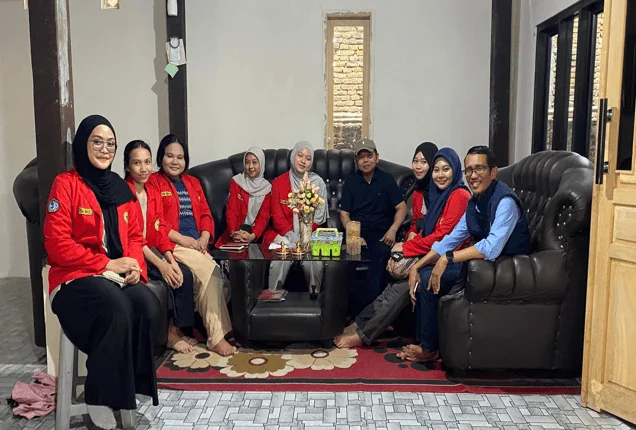
The presence of the FKM Unhas leadership in the field also reinforces the strong partnership between Hasanuddin University and the Soppeng Regency Government. Prof. Sukri expressed his highest appreciation to the Regent of Soppeng and his staff—from the district to the village and sub-district levels—for welcoming the students with open arms.
Local government support is crucial to the success of this program. Through collaboration between academia and the bureaucracy, the health policy recommendations generated by the students are expected to be adopted by village governments or local health centers (Puskesmas) as part of their annual work programs.
PBL II FKM Unhas and Contribution to Sustainable Development Goals (SDGs)
The implementation of PBL II in Soppeng Regency directly supports the achievement of the Sustainable Development Goals (SDGs), particularly Goal 3: Good Health and Well-being. Through health interventions designed by students—such as healthy lifestyle education to prevent non-communicable diseases (hypertension) and family nutrition counseling—FKM Unhas contributes to reducing morbidity rates and improving the quality of life for rural communities.
Furthermore, this activity aligns with Goal 4: Quality Education, providing students with access to inclusive and practical education that prepares them for global health challenges. The community-based approach of PBL II also reflects Goal 17: Partnerships for the Goals, demonstrating cross-sector collaboration between universities, local governments, and civil society to create inclusive health solutions.
Aspirations for the Students
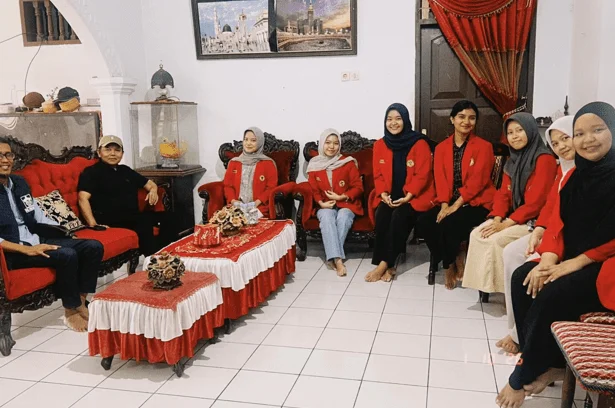
The Dean advised all students to maintain integrity and the good reputation of the alma mater while in the field. Students are expected to be “agents of change” who bring innovation without disregarding local wisdom.
“Take this opportunity to learn from the ‘University of Life.’ Listen to the community’s voice, understand their constraints, and offer humane solutions. We want FKM Unhas graduates to be leaders who possess high empathy for public health status,” Prof. Sukri added.
Conclusion: Toward a Better Future for Health
The Dean’s visit to the PBL posts in Soppeng serves as a symbol of the institution’s full support for student competency development. As PBL II concludes, it is expected that accurate health data and strategic recommendations will emerge, assisting Soppeng Regency in becoming a healthier and more resilient region.
FKM Unhas remains committed to being a center of excellence in public health education, not only nationally but also on the international stage, while staying rooted in real service to the community.